
Science explained · 18 September 2026
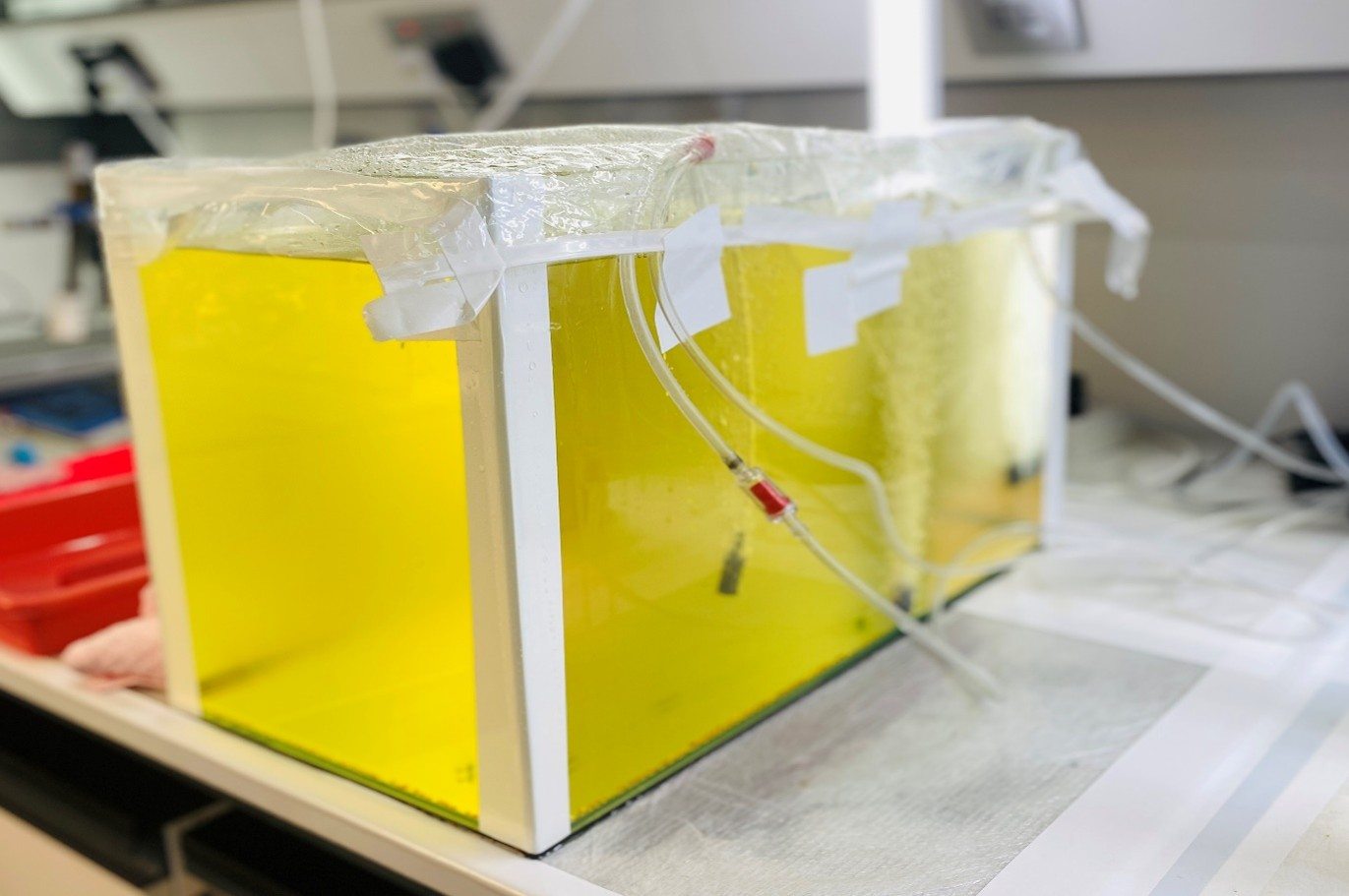
Light, temperature, nutrients, mixing — everything interacts. A practical guide to experiments that give reliable, scalable answers.
Microalgae respond to almost everything around them. Change the light intensity and you change growth rate, pigment content and even how the cells partition carbon between proteins, lipids and carbohydrates. That sensitivity is what makes algae so useful — and what makes experiments so easy to get wrong.
Start with one clear question. Are you maximising biomass, a specific compound, or robustness under stress? Each goal needs a different response variable, sampling frequency and analysis.
Control what you are not testing. Inoculum density, culture age, light path and mixing all influence results. Standardise them, log them and report them, or your 'effect' may simply be noise.
Replicate biologically, not just analytically. Three measurements of one flask tell you about your instrument; three independent cultures tell you about your algae.
Finally, design with scale-up in mind. Conditions that only work in a 250 mL flask under perfect light rarely survive the move to a 1,000 L reactor. Test realistic ranges early.